
Remote work has quickly taken hold as the new standard, changing how organizations run and how individuals are employed. The flexibility and convenience of working from home are clear, but it also presents a special set of problems that businesses must deal with.
In this in-depth blog post, we examine the difficulties presented by teleworking and present practical solutions for thriving in this dynamic environment.
Challenges of Remote Work
Remote employment has never-before-seen perks and flexibility, but it also has its share of drawbacks. To successfully shift to a remote work environment, these issues must be addressed head-on. The following are some of the main issues to think about:
Communication Gaps and Collaboration
One of the most significant challenges of remote work is the potential for communication gaps and hindered collaboration. The physical separation of team members can create barriers to effective communication, resulting in misunderstandings, misinterpretations, and delays.
In a traditional office environment, quick conversations by the water cooler or impromptu meetings in the hallway can clarify doubts and streamline decision-making. However, in a remote setup, these spontaneous interactions are replaced by digital channels, which might not always capture the nuances of in-person communication.
Miscommunications can occur due to various reasons, such as misinterpreted tones in written messages or delayed responses. Additionally, the lack of immediate face-to-face interaction can make it challenging to gauge reactions, body language, and emotions accurately.

Maintaining Work-Life Harmony
The shift to remote work has brought about a new set of challenges, one of the most pressing being the preservation of a healthy work-life balance. The lines between work and personal life have become increasingly blurred, creating the potential for burnout, decreased productivity, and a negative impact on overall well-being.
Unlike a traditional office setup, where the physical separation between work and home is distinct, working from home often takes place in the same environment as personal activities. This integration of spaces can make it challenging to switch off from work and fully engage in personal time.
Enhancing Cybersecurity
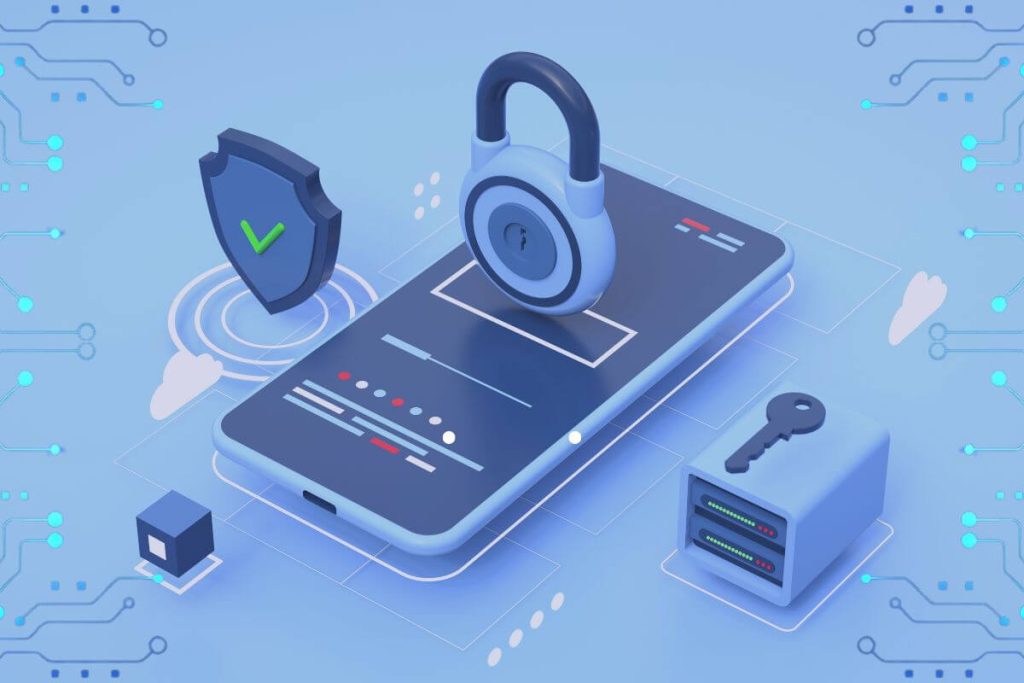
Remote work’s rise underscores the importance of cybersecurity. Amidst dispersed teams, ensuring data security and safeguarding sensitive information presents novel challenges, driving organizations to overhaul their security approaches.
Expanded Attack Avenues
The potential for cyber-attacks has increased due to telecommuting. Cybercriminals start to view every remote workspace as a potential target, which fuels an increase in phishing, social engineering, and malware attempts. Employees may be more open to tricks due to the remote location’s isolation.
Endpoint Security Challenges
Endpoint security remains a central concern in remote work cybersecurity. Diverse devices used on varied networks beyond the corporate firewall heighten the risk of unauthorized access and data breaches. Enforcing security measures, regular updates, and essential protocols for these endpoints is pivotal.
Securing Communication and Data Transfer
Data transmission across networks, even public ones, raises interception worries. Encrypted connections, including Virtual Private Networks (VPNs), emerge as crucial for secure data exchange. The challenge lies in maintaining consistent adherence to secure communication practices.
Monitoring and Productivity Challenges
Monitoring employee productivity while avoiding the traps of micromanagement is a tricky balancing act in the world of working remotely. When there is a physical barrier separating businesses from their remote staff, it can be challenging to uphold productivity standards and build trust.
Employers find themselves navigating a fine line between overseeing work progress and respecting employees’ autonomy. Micromanagement can erode trust and lead to disengagement, while not monitoring productivity can raise concerns about accountability. Traditional methods of supervision, such as physical presence and in-person check-ins, are no longer feasible, requiring organizations to adopt new approaches.
Advanced technologies, like employee monitoring software and time-tracking tools, have emerged as solutions. However, their implementation requires careful consideration to ensure they don’t infringe on employees’ privacy or inadvertently foster a culture of surveillance.

Strategies for Remote Work Success
1. Robust Communication Tools and Practices
Investing in reliable communication tools, such as video conferencing and team collaboration platforms, fosters efficient communication. Implement a clear communication protocol and encourage regular check-ins to bridge the gap.
2. Establish Clear Expectations
Establish a structure that outlines the expected availability, work hours, and reaction times. This not only supports a healthy work-life balance but also increases employees’ sense of accountability. By establishing clear rules, you enable your staff to complete their work effectively while protecting their wellbeing.
3. Strengthen Cybersecurity Measures
Implement strong cybersecurity practices by using VPNs, multi-factor authentication, and educating employees about phishing threats. Regular security training can empower your remote workforce to protect company data.
4. Outcome-Based Performance Evaluation
Go from only recording hours to evaluating results holistically. Have clear objectives and gauge success by measurable outcomes rather than time spent on individual tasks. This strategy not only promotes a results-driven culture but also supports creativity and productivity in the context of remote work.
5. Virtual Team-Building Activities
Plan online team-building exercises to promote camaraderie and raise spirits. These activities aid in restoring the sense of community that is sometimes lost in remote workplaces.

6. Invest in Skill Development
Encourage and give continual learning opportunities and skill development top priority. Employees who work remotely have the distinct advantage of setting aside time to learn new skills, enabling professional and personal growth that is in line with both personal goals and company objectives.
A workforce that is flexible, resilient, and better able to negotiate changing problems in the virtual work environment benefits from skill development investments as well.
7. Flexible Work Arrangements
Consider implementing flexible work arrangements that suit employees’ schedules and preferences. This can enhance job satisfaction and attract top talent.
Conclusion
Embracing remote work brings undeniable advantages, but it also demands a strategic approach to overcome its unique challenges. As businesses navigate the complexities of this new paradigm, it’s essential to recognize that success hinges on proactive strategies.
Organizations can fully utilize remote work by promoting open communication, upholding work-life balance, strengthening cybersecurity, and implementing outcome-focused evaluation.
The road to excellence in working remotely lies in adaptation, creativity, and the steadfast dedication to empowering both employees and companies as we navigate this constantly changing world.